Rental car comparison: Toyota Yaris Cross or...?
A car and auto technology comparison

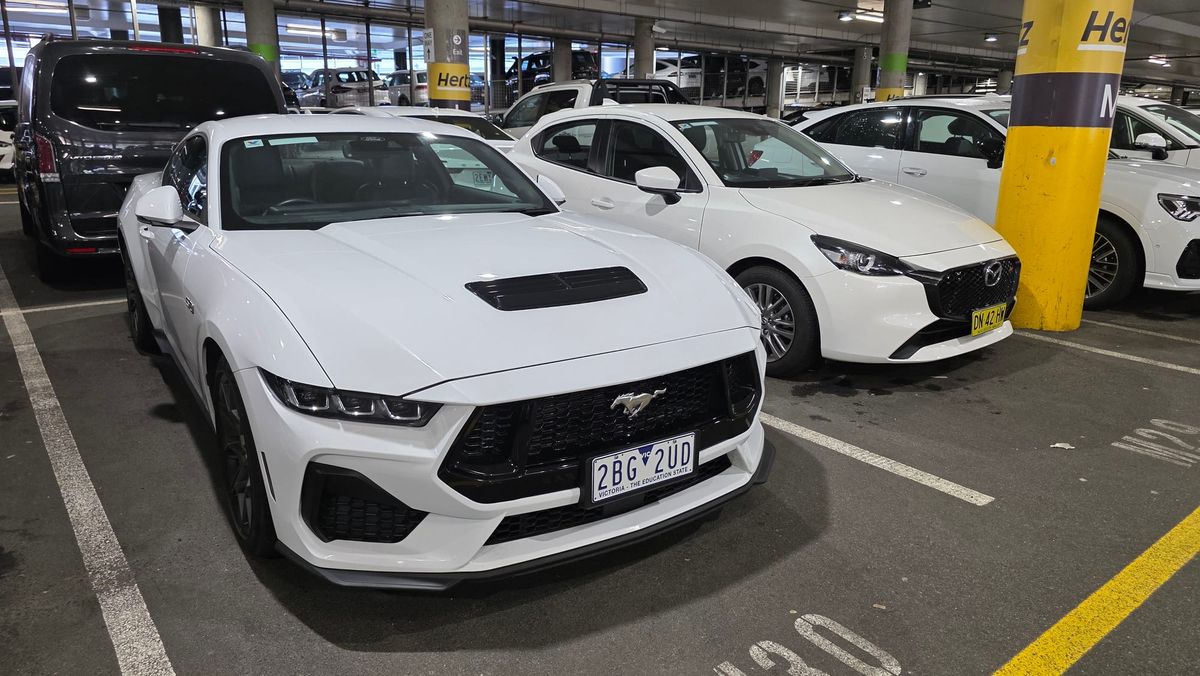
I had Hertz rental cars on a recent trip to Tasmania and Melbourne. Both were an interesting comparison to my 'no–low–tech' daily drives. In both cases I had booked the cheapest 'Suzuki Swift or similar' package and would have been happy with that! In both places, I got a free upgrade...
My daily base: Abarth 500 & Fiat Bravo HGT
Both the Abarth and Bravo are old fashioned internal combustion engine and 5–speed manual. The Bravo has naturally aspirated 2.0l 5–cylinder (115 kW/186Nm), the Abarth a 1.4l 4–cylinder turbo (120 kW/230Nm) but have similar real–world performance. The Bravo needs to be revved far more to get there, as lacks the Abarth's turbo torque, but with a glorious five–cylinder warble that is no burden. It has been said HGT stands for 'Hasn't Got Torque'.
Apart from Airbags and ABS in both—plus basic traction control (anti-skid and hill-hold) in the Abarth—neither have much in the way of 'technology' for driver aid or entertainment. No driver lane or brake assist aids, no speed limit warnings, no touch screen or Android Auto/Apple CarPlay, no proximity key or push-button start.
It can use off-line data (handy when travelling) for everything except current traffic and incident reports and regularly updates its own maps when the phone has wi-fi. I always have the NZ map (just 214 MB) on the phone, and added Tasmania (109 MB) & Victoria (408 MB) for the trip.

Toyota Yaris Cross | Tasmania
I was offered 'an upgrade' to the Yaris Cross at no extra charge. I was asked if 'had driven a hybrid' and the guy smiled when I said: 'I have, but am more concerned about not driving a manual...'.
In reality that adjustment is easy, no accidental left foot braking, and I only did the indicator/wiper mix–up a couple times, neither critical, as those stalks are flipped compared to the Italians.
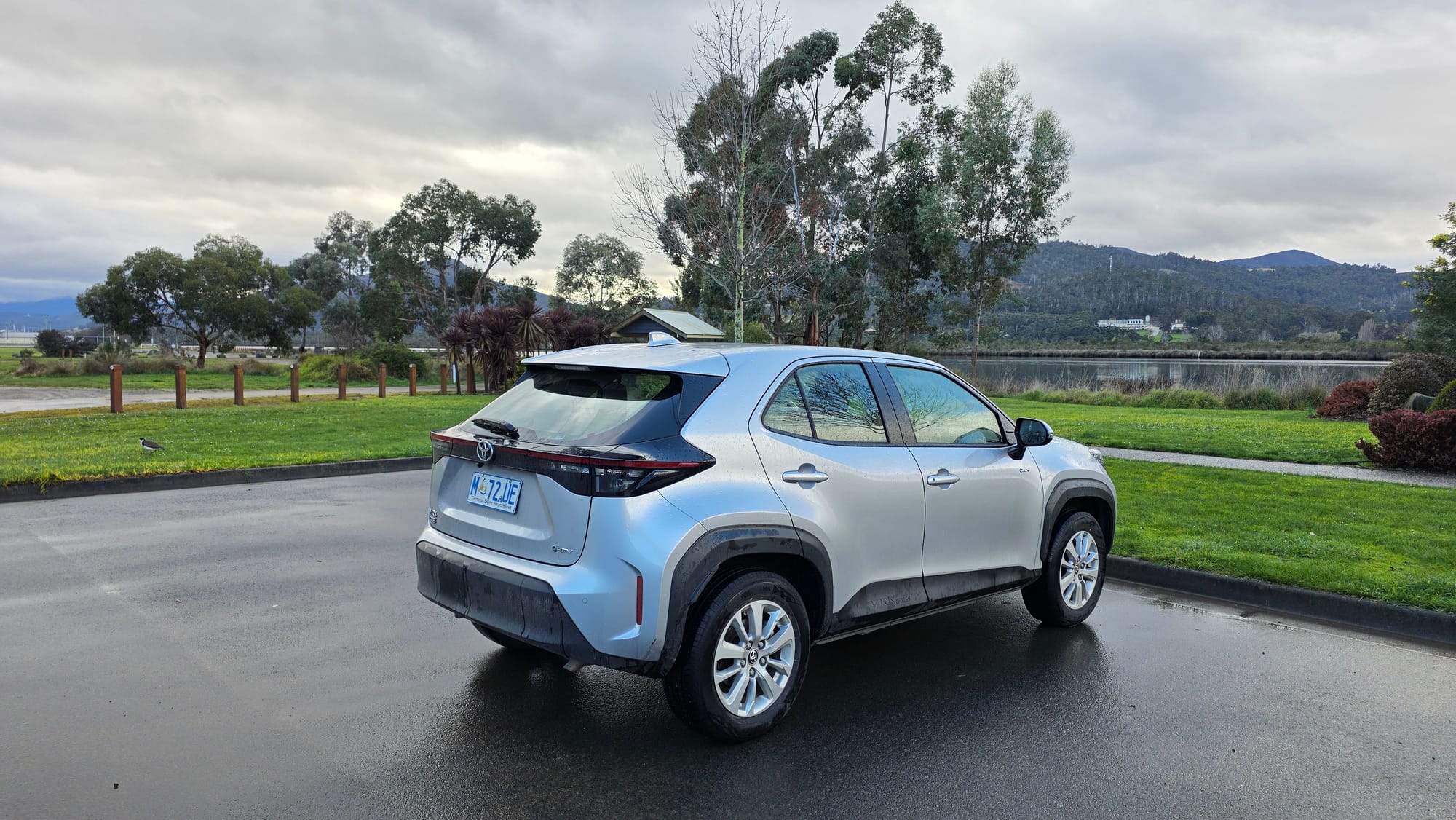
- 1.5L 4 Cylinder (85 kW, 120 Nm) Hybrid CVT drivetrain nice, efficient but unengaging.
- There was no obvious manual override for CVT Automatic gear selection other than 'B' gear hold which engaged some engine braking, but reduced hybrid regen recovery (going by the gauge indication) so it seemed a bit pointless. I guess it might be useful for long descents if your brakes were on fire...
- $50 fuel for 550km great but I was driving very gently, 'gaming' the hybrid system to maximise regen, as that was more interesting than pushing the drivetrain.
- Tall feeling seating position, even for an Abarth driver. (Abarth seats are quite high mounted even if the car isn't!)
- Good ride but handling just ok, fine for everyday/touring but didn't inspire to push. Numb steering, light but little if any feedback.
- Rattles? It had only 15,000km on odometer but had trim rattles in both the dashboard and door trim when cold in the morning. Both went once the car had warmed up—presume the gaps shrunk?—but surprising given Toyota's quality reputation.
- Not a fan of the touchscreen but used Android Auto so didn't have to learn the Toyota navigation UI, which showed 'subscription expired' anyway.
- With the driving seat set found the screen a bit of a reach, made it awkward trying to accurately hit small controls on the go, so I didn't try. Odd given my short legs, why I fit Italian cars!, generally put me closer to the wheel/dash.
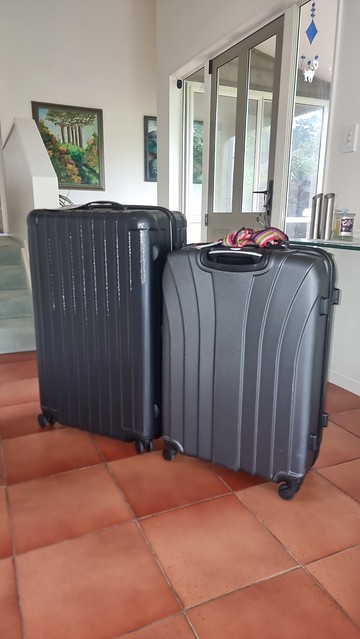
- Boot was good, took my slightly oversized large hard case lying flat with rear seats still up.
Mazda 2 Hatch | Melbourne
Not sure if the Mazda was 'an upgrade', or just 'a similar', but I didn't get that Mustang...
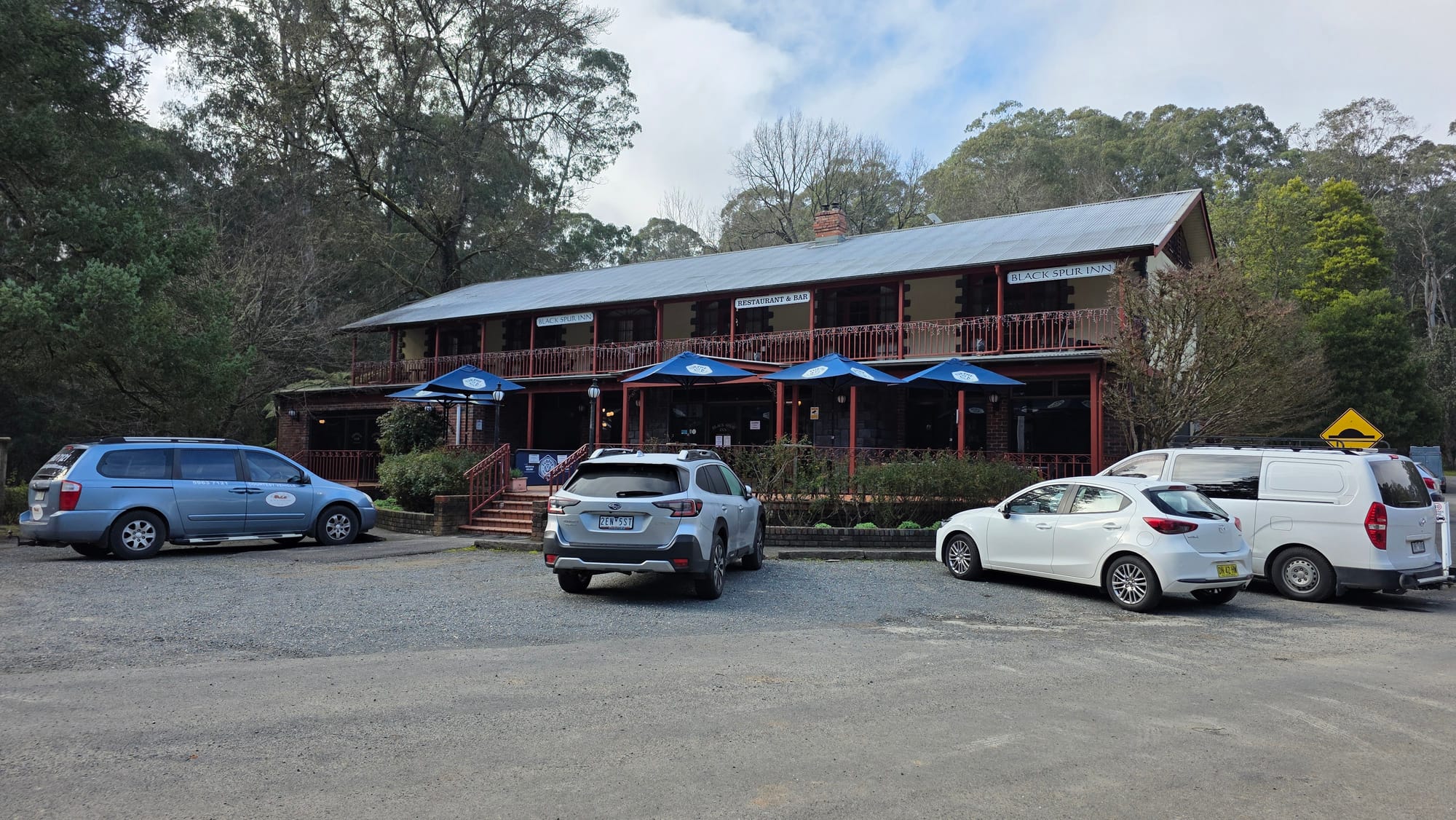
- 1.5L 4 Cylinder (81 kW, 142 Nm) 6–Speed automatic drivetrain nice
- Although still an Auto I preferred the Manual +- option to select a gear. Felt 'backwards' to me as forward - selected a lower gear, back + a higher one. I would have preferred the opposite.
- The Mazda drivetrain was actually quite fun on twisty mountain road, manual change, lower stance, and better steering feel contributed. Six speed gearbox was a bit of a novelty
- $85 for 750km, so about 1/3 more expensive that the Toyota but there was more motorway and mountain driving. Add to that it was actually quite fun so, within the limits, was driven harder. I'd often flick into manual mode and hold gears to use the rev range, never did that in the Yaris.
- Liked the lower stance, seating position, more than Toyota but maybe just because am used to, prefer, a car over SUV.
- Good ride and handling, set for city use but still fun in the twisty bits.
- No Rattles! 41,000km on clock, no trim rattles irrespective of temperature and Melbourne mornings were as cold as Tasmania. A win for Mazda quality?
- The boot was OK, but only just took my slightly oversized large hard case with rear seats up. It was easier to fold seats as meant could open the case (still in the car) as one-night stops for this part of the trip meant I mostly left it in the car anyway.
- It had a dash screen for car systems but no touch interface. However, I preferred the 'iDrive' like rotary/push selector and separate volume control/mute controls on the centre console beside the driver. It was easy to operate, always in the same place and twist–clicking around menus was far safer than poking at a touch screen in the distance.
- I could have used the navigation, was active, but just used Android Auto and the phone as easier and more current.
- Had a small pop-up Head Up Display (HID) for fuel, speed, speed limit and warnings (but no nav) which I quite liked
Common to both:
- I still don't like driving automatics, yes even in traffic. It is just boring.
- I still think proximity keys and push–button start is a pain. I prefer a traditional key in column, know where it is, has dedicated storage, twist, go, twist, stop.
- Driver assists:
- Lane assist was pretty mild in both, more a hint than anything, but I didn't like it. I didn't get to test other features beyond one brief 'Brake' warning in the Mazda's HUD, but no need to brake and no autobrake, when a car ahead was slower off the mark from a traffic light than my rolling stop approach anticipated.
- Speed limit indication/warnings in both were less reliable than the map based HERE app. Although it misses temporary restrictions, like short term road works, it was more accurate with fixed limits than the cars (camera–based?) technology.
- I liked having Android Auto which worked well in both, although I think the Mazda needed an update.
- It all worked in the Mazda (phone calls and apps included) except for navigation voice directions. App speed limit and camera warnings sounded, and it temporarily muted the entertainment—as if was playing directions—but there was no voice. It was the same in Google Maps and my preferred HERE WeGo nav app so think the system and not application.
Economy Comparison
The Toyota was much cheaper to run but also had less motorway and gentler driving.
| Car Economy | Trip km | litres | au$/l | l/100km | au$ | Fuel au$/km* |
| Toyota Yaris Cross | 585 | 25.15 | $2.03 | 4.30 | $51.03 | $0.09 |
| Mazda 2 | 740 | 39.66 | $2.15 | 5.36 | $85.21 | $0.12 |
| Abarth | 64,000 | 7.50 | $0.15* | |||
| Bravo HGT | 206,000 | 8.40 | $0.14* |
*The Abarth and Bravo $/km are actual over the decade(s) ownership total km & variable NZ fuel prices so not directly comparable. The Abarth does ~6 l/100km in highway runs, the Bravo ~7 l/100km.
Overall
I preferred the Mazda as it was more engaging, probably as closer to my daily drives, but was still happy to come home to a couple of elderly 'dumb' Italians.