Charles Reginald Ford, Capt. Robert Falcon Scott, and Sudan?
Viewing artifacts of the Discovery Expedition, learning about a remarkable life with NZ Antarctic Society Auckland (and a haircut?)

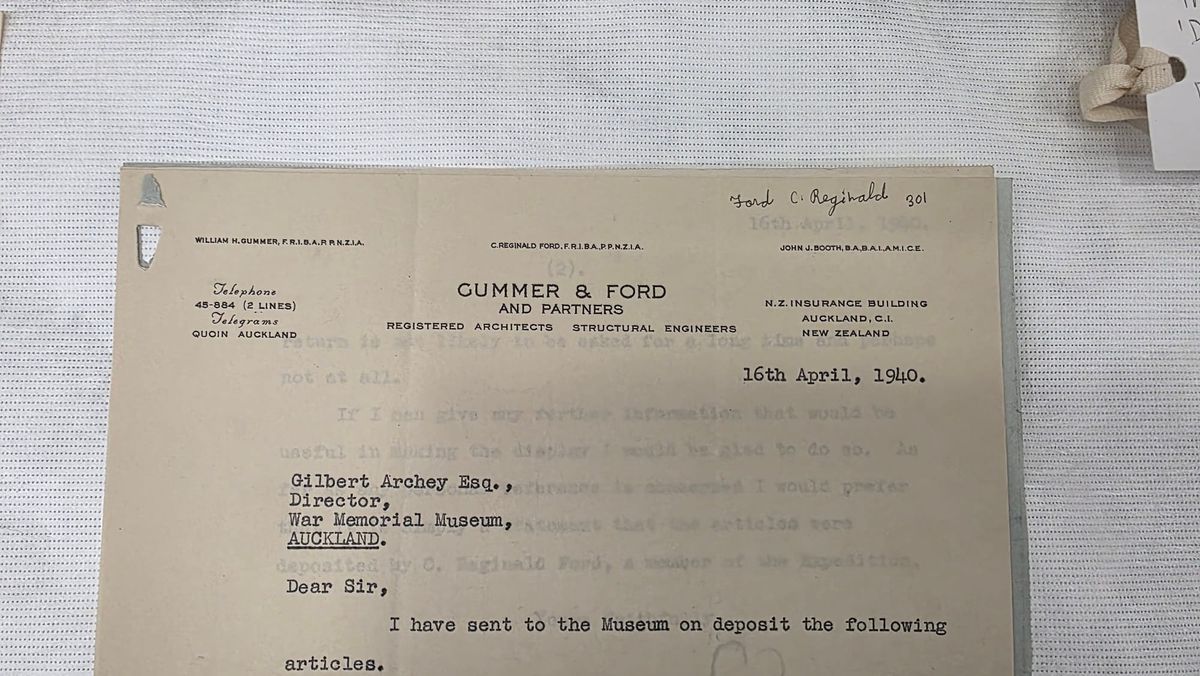
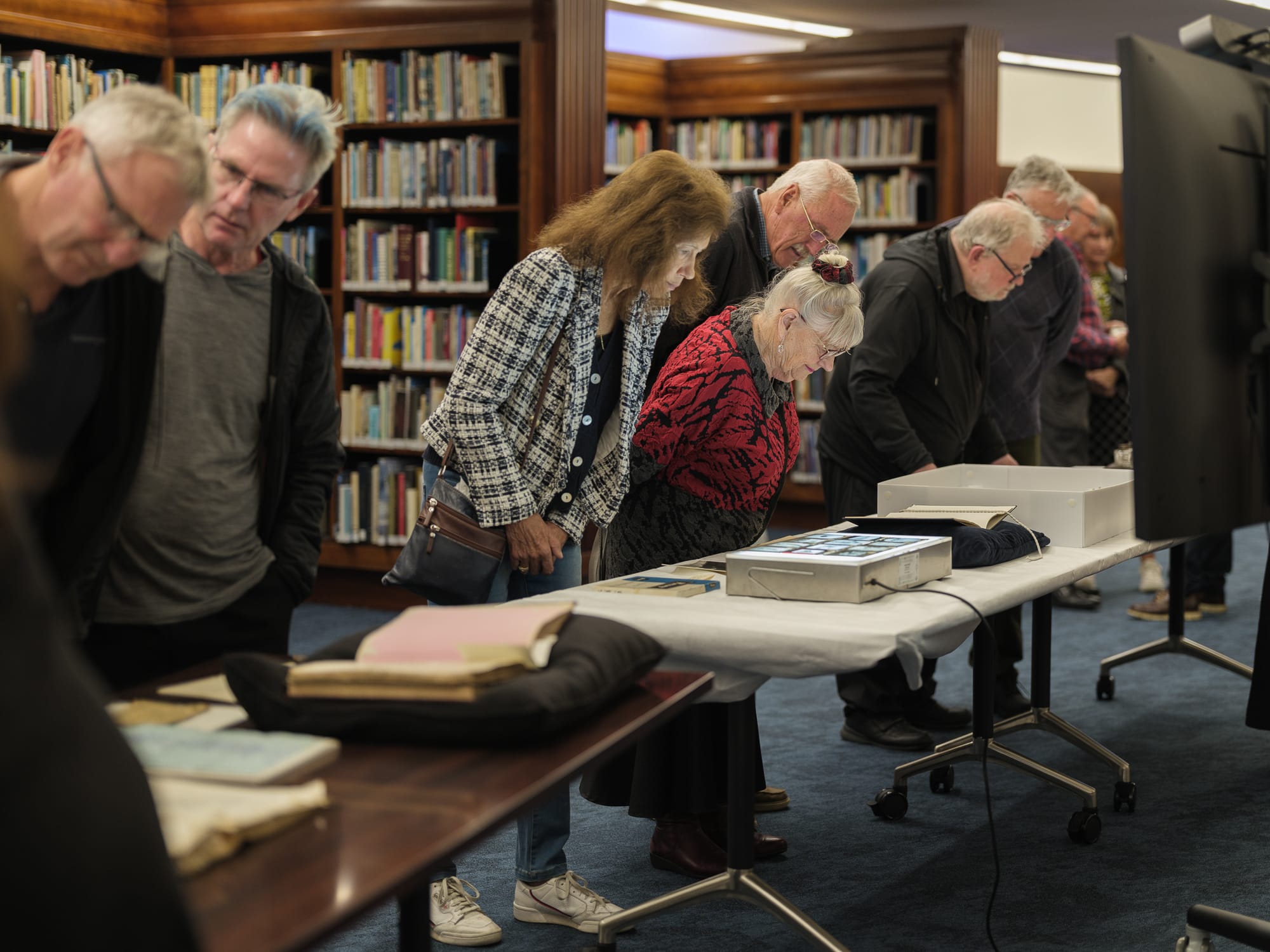
I recently went to a private viewing—for NZ Antarctic Society Auckland members at Auckland Museum Library—of a newly catalogued collection donated in the 1940-70s by Charles Reginald Ford from his Antarctic Expedition with Captain R. F. Scott (yes that Scott).
 Contributors to Wikimedia projects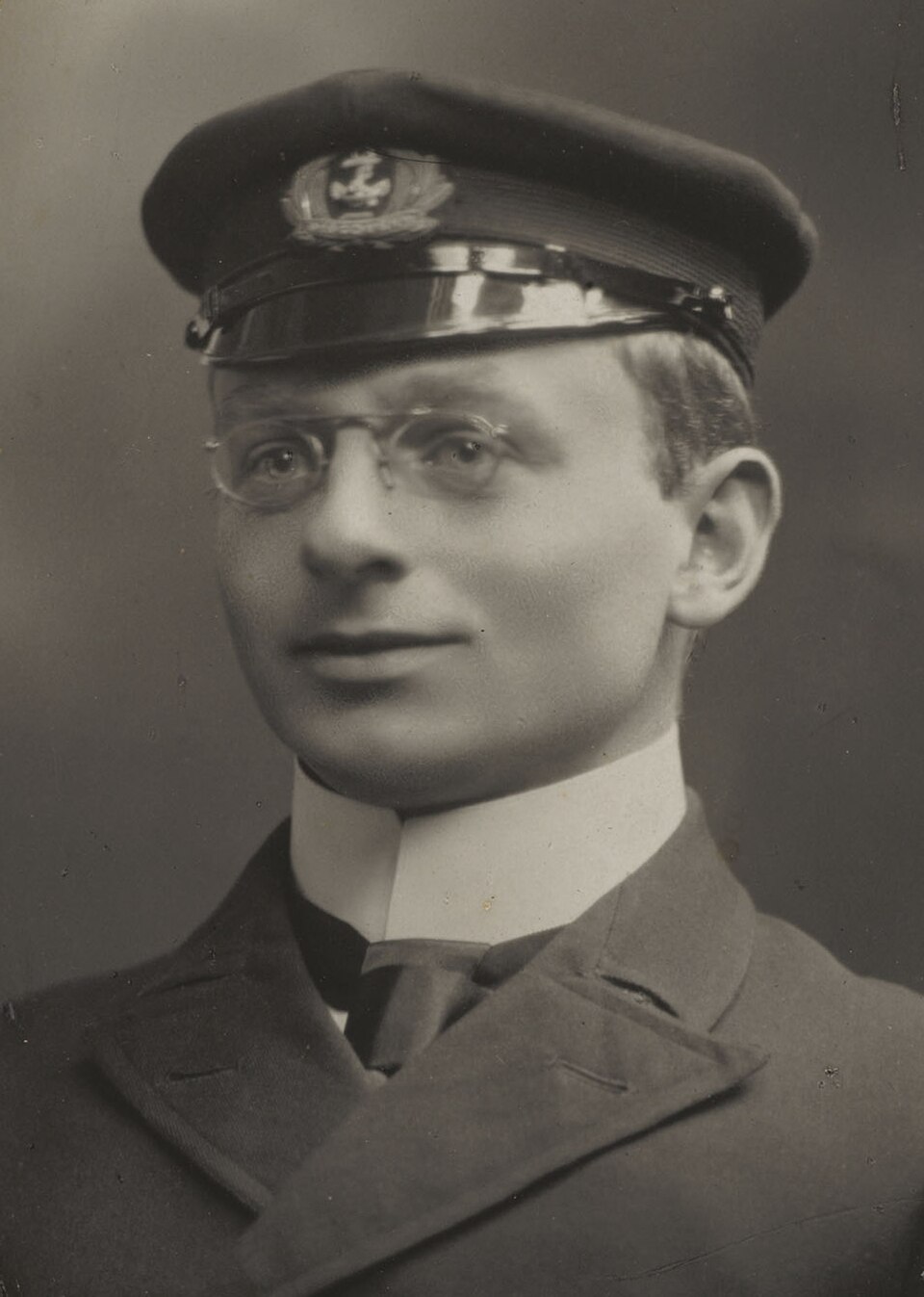
Charles Reginald Ford in Wikipedia
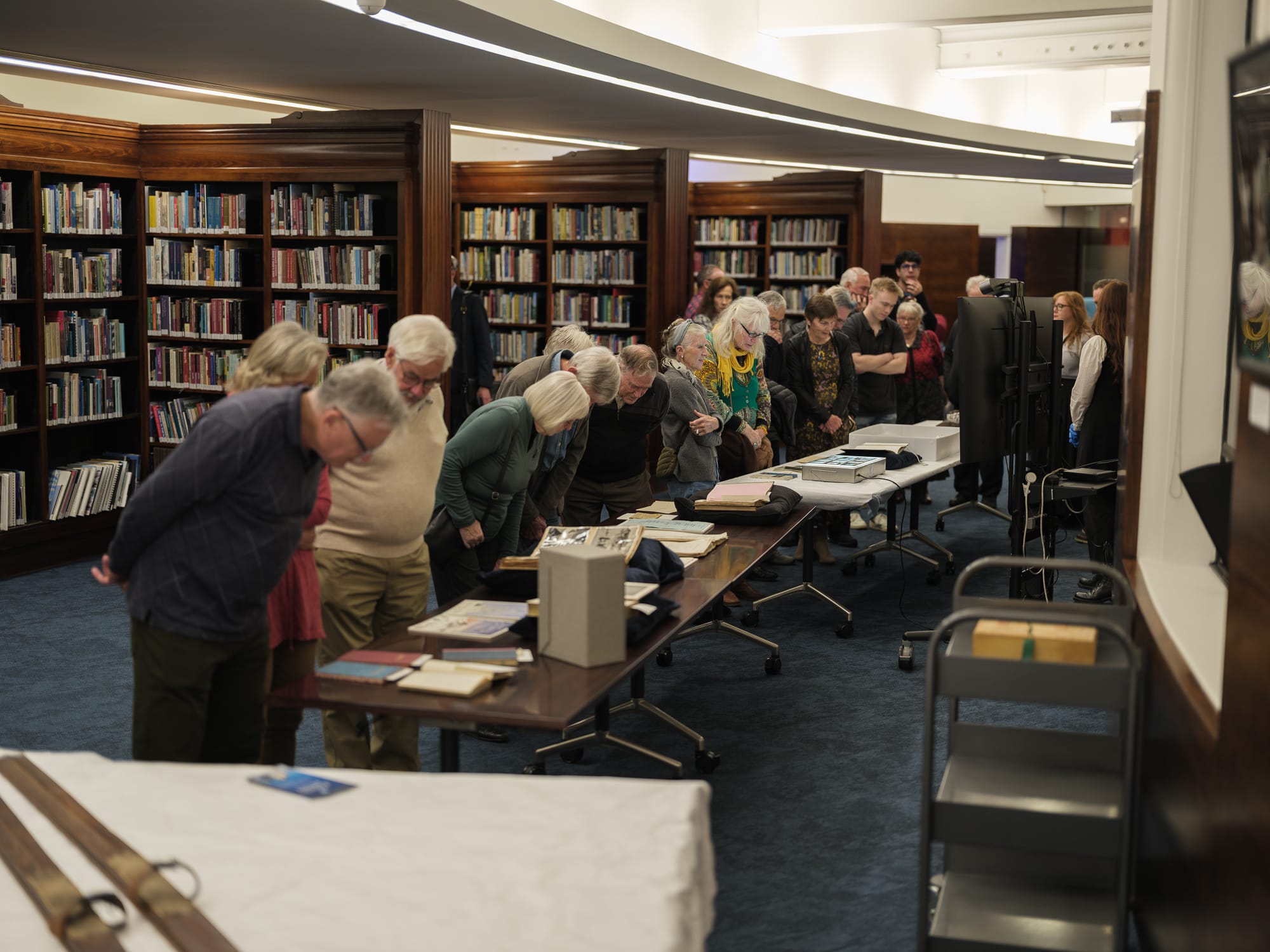
Some highlights of the collection
They have recently digitised the collection including his slide photos (glass plate) and an audio recording (on reel-to-reel tape) of him presenting them in the 1960s.
We saw extracts from a rough cut—still being edited and sub-captioned etc—combination of the audio and best guess of the slides he projected (from how he described them) alongside.
They are still working through the preparation of the collection, but it will all be on-line sometime this year. Just the short extracts we saw, photos and memories described by their creator, was fascinating.

Other objects included notes and diaries, both during and post trip. Personal items like an inkwell made from wood from Discovery that was on his desk (presume at his architectural office) for the rest of his life. They even have his skis used during the Discovery expedition which predated Scott's fateful Polar attempt.
Charles the Architect
After training as an Architect his career led to being a founding partner in the Auckland Architecture practice Gummer & Ford. They designed many prominent buildings in Auckland including Auckland Railway Station and The Wintergardens, in the domain surrounding the Museum we were viewing his collection in.
He was also closely associated with the Museum and its arts collections and—having a keen interest in English porcelain—was honorary curator of English china for some years. He lived a long life dying, aged 92, in 1972 in Auckland.
Reginald Ford began to study architecture in 1906. By 1914 he had moved to Whanganui and established a practice, going into partnership with Robert Talboys in 1919. The bulk of the work consisted of domestic commissions.
He was installed as president of the New Zealand Institute of Architects at their annual meeting in Whanganui in 1921.
Ford moved to Auckland in 1923 and formed a partnership with W. H. Gummer. Ford and Gummer’s practice—Gummer and Ford—became one of the most successful in New Zealand between the two world wars. Ford was essentially the business manager and organiser and Gummer the main source of architectural ideas.
 Contributors to Wikimedia projects
Gummer & Ford Architects | Auckland
Most poignant item
An unused NZ Rail Ticket from Lyttleton to Christchurch—First Class Not Transferrable—awaiting the return of Capt R.F. Scott from the Terra Nova Expedition. A tiny token of a life led, a life lost...

A few more photos in my Flickr Album
Scott, Glen Eden, and Sudan?
Tonight, while getting my hair cut and coloured—Cherry Red this time—was talking about having recently booked a trip to Tasmania, in part for the Australian Antarctic Festival in Hobart. I mentioned the evening, the collection, and was reminded of a local connection to Scott's legacy.
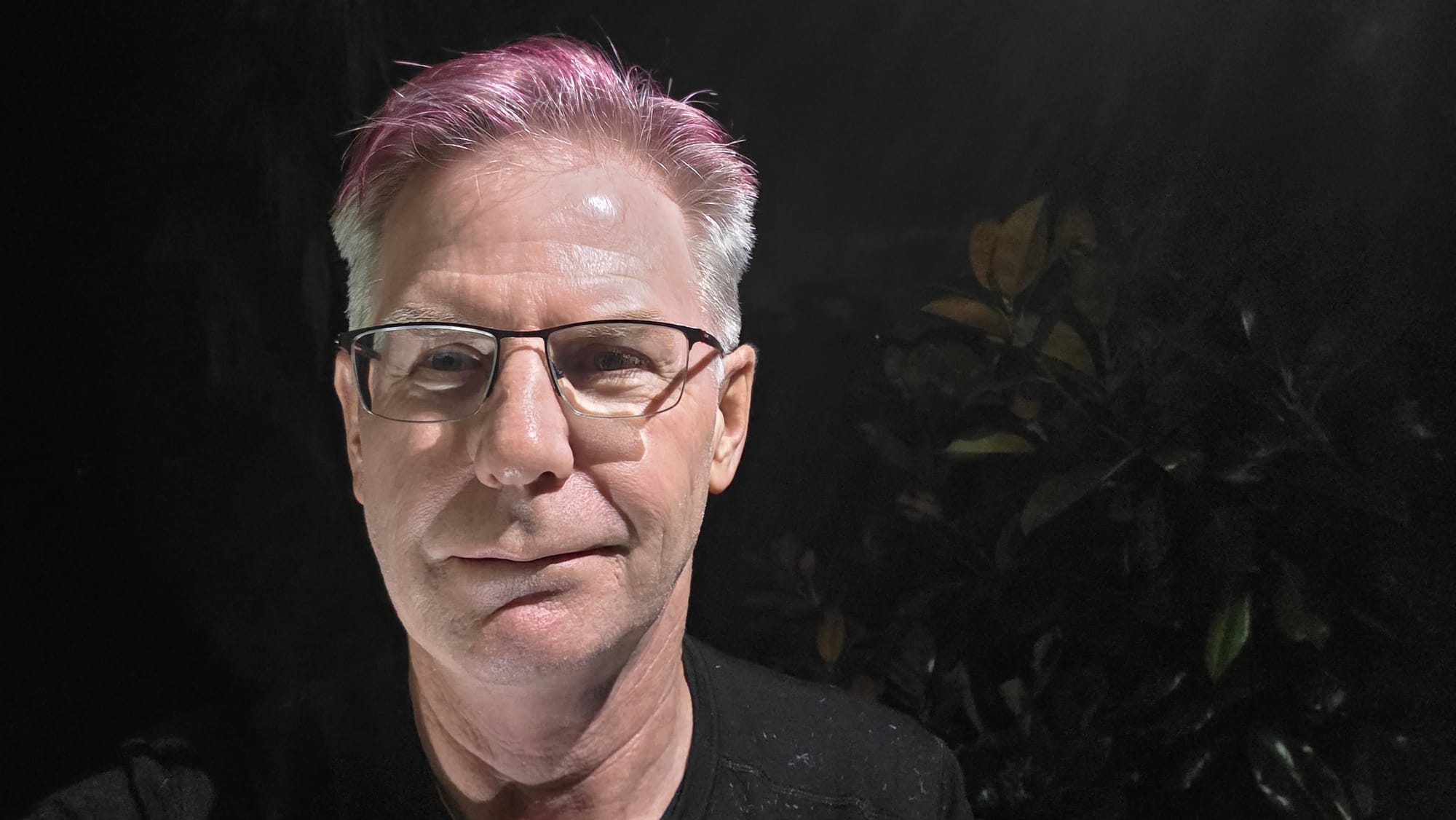
Sudan Hairdressing's Salon is on Captain Scott Road, Glen Eden, Auckland, which has connecting roads commemorating other members of the expedition.
Even more amazing to learn; one of the Sudan team has a direct family connection to the British Antarctic Survey in the 1970s!
Auckland War Memorial Museum Links

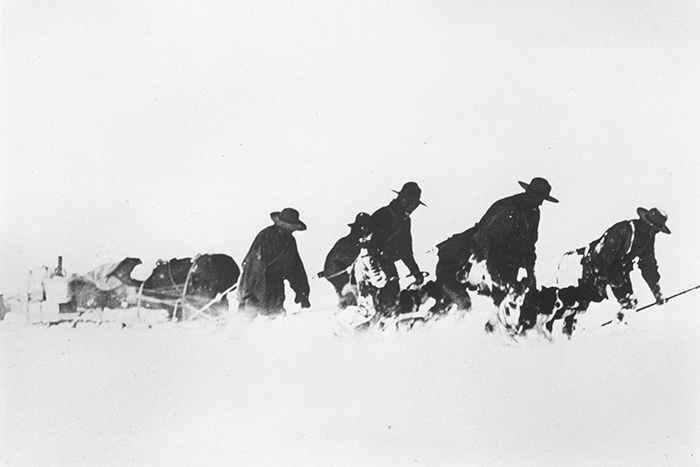
In 1902, a British expedition travelled south of the Antarctic Circle with the joint goals of scientific study and geographical discovery. The purpose-built ship 'Discovery' was to spend several years in the Antarctic after becoming iced in during the first winter.


The C Reginald Ford Collection Index today. Will update when the new content goes online