Music and the Cosmos with Rhian Sheehan and Life on Mars, on Earth
Music, Mars in the Planetarium, and Life on Mars on Earth

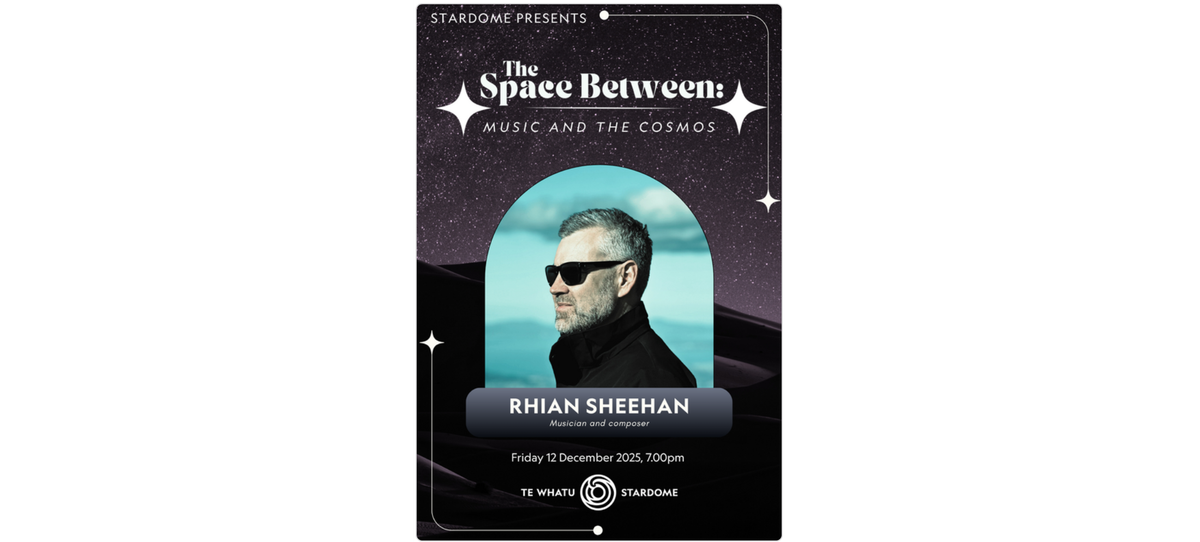
I'd never heard, or heard of, Rhian Sheehan's music but that's my fault not his. I saw this one-off show in the Te Whatu Stardome (Planetarium & Telescope) newsletter and was curious to learn more.
The Space Between: Music and the Cosmos with Rhian Sheehan
We warmly invite you to join us at Te Whatu Stardome for a conversation with multiple award-winning New Zealand musician and composer Rhian Sheehan.
Rhian’s work as a composer is incredibly diverse, spanning film, television, video games, multimedia installations, exhibitions and multiple planetarium shows screened across the globe.
From Netflix to NASA, the Natural History Museum to the UN Headquarters — Rhian’s music has an almost universal reach from his recording studio in Wellington.
With no shortage of avenues for his musical output, Rhian has consistently been involved with space-adjacent projects, including numerous sci-fi and fulldome planetarium shows. We’ll discuss how and why Rhian returns to music that evokes the atmosphere, beauty, and excitement of exploring space and the unknown.
This session will also feature the New Zealand premiere of Rhian’s latest fulldome project, One Step Beyond: A Journey to Mars from the National Space Centre in the U.K.
I really enjoyed the show and conversation and Q&A that followed. Rhian talked about his work, the realities of being a composer in NZ, collaborations that have included working with James Cameron, Ferrari World (roller coaster 'spy' theme) and many other works.
I found his comments about the use, and threat, of AI interesting. I suspect he's right seeing it as an aid and not a replacement for proper composition. One aspect that shone through all the topics, music is about people, about collaboration, about sharing and not sure AI is about any of that.

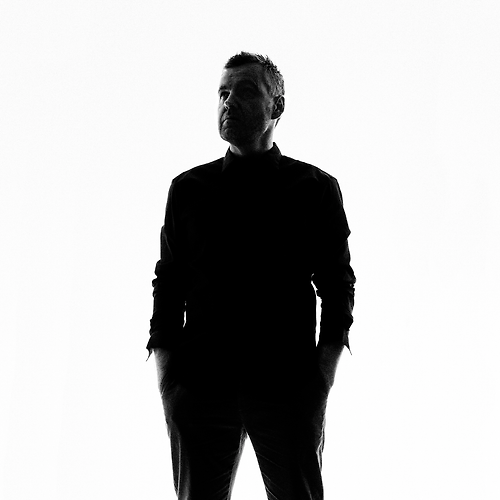
Rhian's Site
 Rhian Sheehan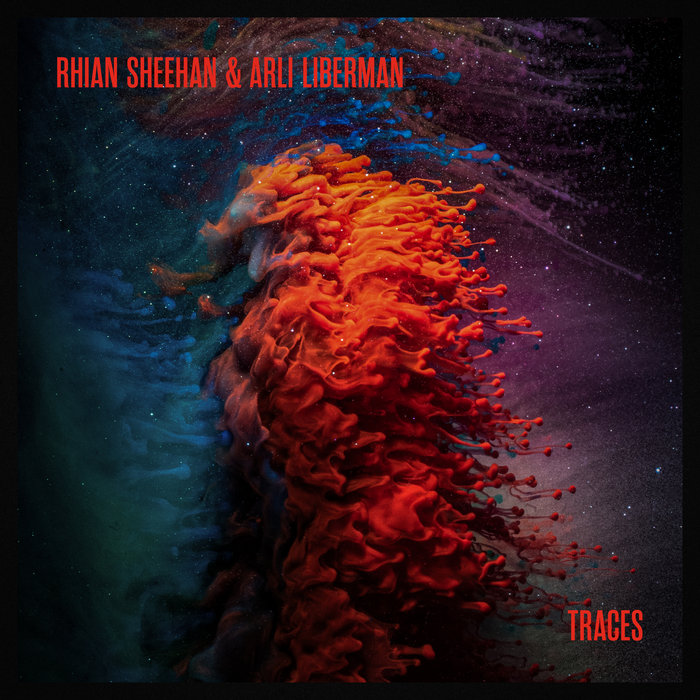
One of Rhian's albums on Bandcamp
One Step Beyond: A Journey to Mars
This fulldome (360° hemisphere planetarium projection) 5.1 surround show showcased NASA's Artemis Moon mission, future lunar orbiters and stations, and ultimate plans for a Mars Base.
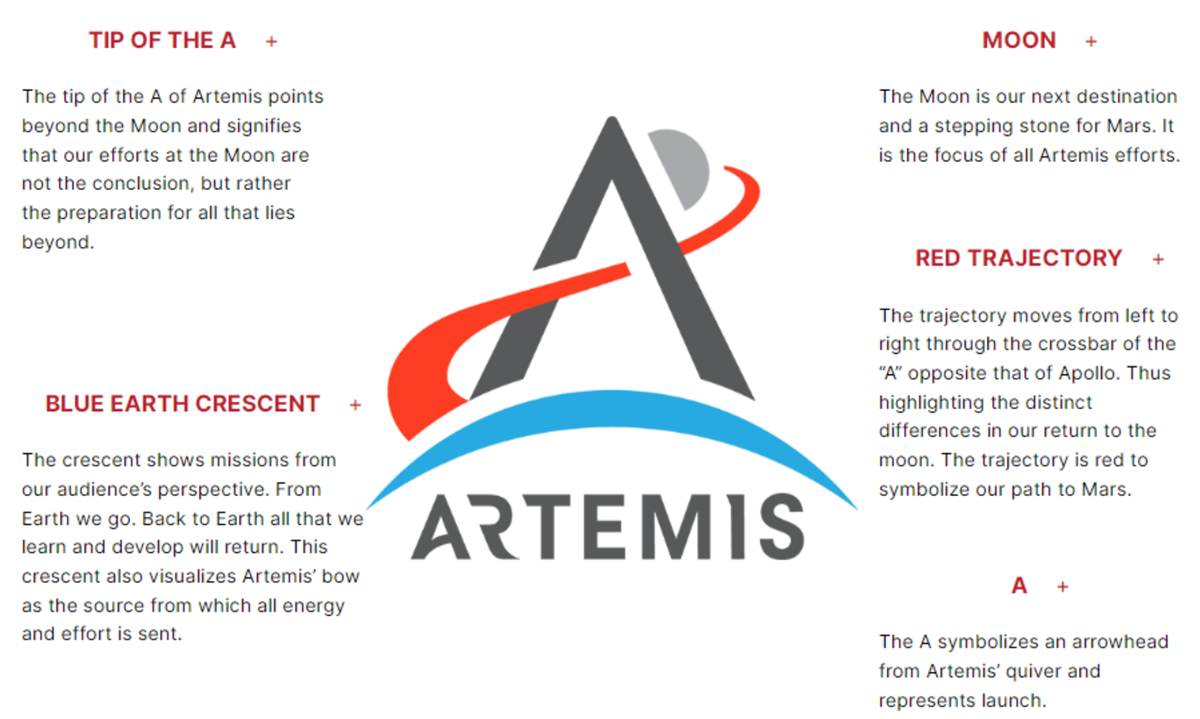
- Artemis I was an uncrewed flight test of the Space Launch System and the Orion spacecraft around the Moon.
- Artemis II will be the first crewed flight test of the Space Launch System and the Orion spacecraft around the Moon.
- Artemis III will send the first humans to explore the region near the lunar South Pole.
- Artemis IV debuts humanity's first lunar space station, a larger, more powerful version of the SLS rocket, and new mobile launcher.
It was an impressive mix of real Earth launch, Space Station, Lunar and Mars imagery, CGI of upcoming Artemis missions and explaining challenges of the journey to Mars and living in such a hostile environment.
I was especially interested in the Mars future as know of—via knowing his Mum—someone who's 'living on Mars' now.
Life on Mars, on Earth
James Spicer is one of four crew currently simulating 'Life on Mars'—can't help but read that last bit in a David Bowie voice*—in NASA's Crew Health and Performance Exploration Analog (CHAPEA) habitat.
They went in on Sunday, Oct. 19, to begin their mission. The team will live and work like astronauts for 378 days, concluding their mission on Oct. 31, 2026.
CHAPEA is a series of missions that will simulate year-long stays on the surface of Mars. Each mission will consist of four crew members living in an isolated 1,700 square foot habitat. During the mission, the crew will conduct simulated spacewalks and provide data on a variety of factors, which may include physical and behavioural health and performance.
Crew members will carry out scientific research and operational tasks, including simulated Mars walks, growing a vegetable garden, robotic operations, and more. Technologies specifically designed for Mars and deep space exploration will also be tested, including a potable water dispenser and diagnostic medical equipment.
“The simulation will allow us to collect cognitive and physical performance data to give us more insight into the potential impacts of the resource restrictions and long-duration missions to Mars on crew health and performance,” said Grace Douglas, CHAPEA principal investigator. “Ultimately, this information will help NASA make informed decisions to design and plan for a successful human mission to Mars.”
This mission, facilitated by NASA’s Human Research Program, is the second one-year Mars surface simulation conducted through CHAPEA. The first mission concluded on July 6, 2024.
The habitat is 3D printed, as it would be on Mars. Any external activities are done in space suits, communications with 'Earth' simulate the delays and data limitations a real Mars base would face.
I'm fascinated to hear how James' year goes; don't think I could do it.

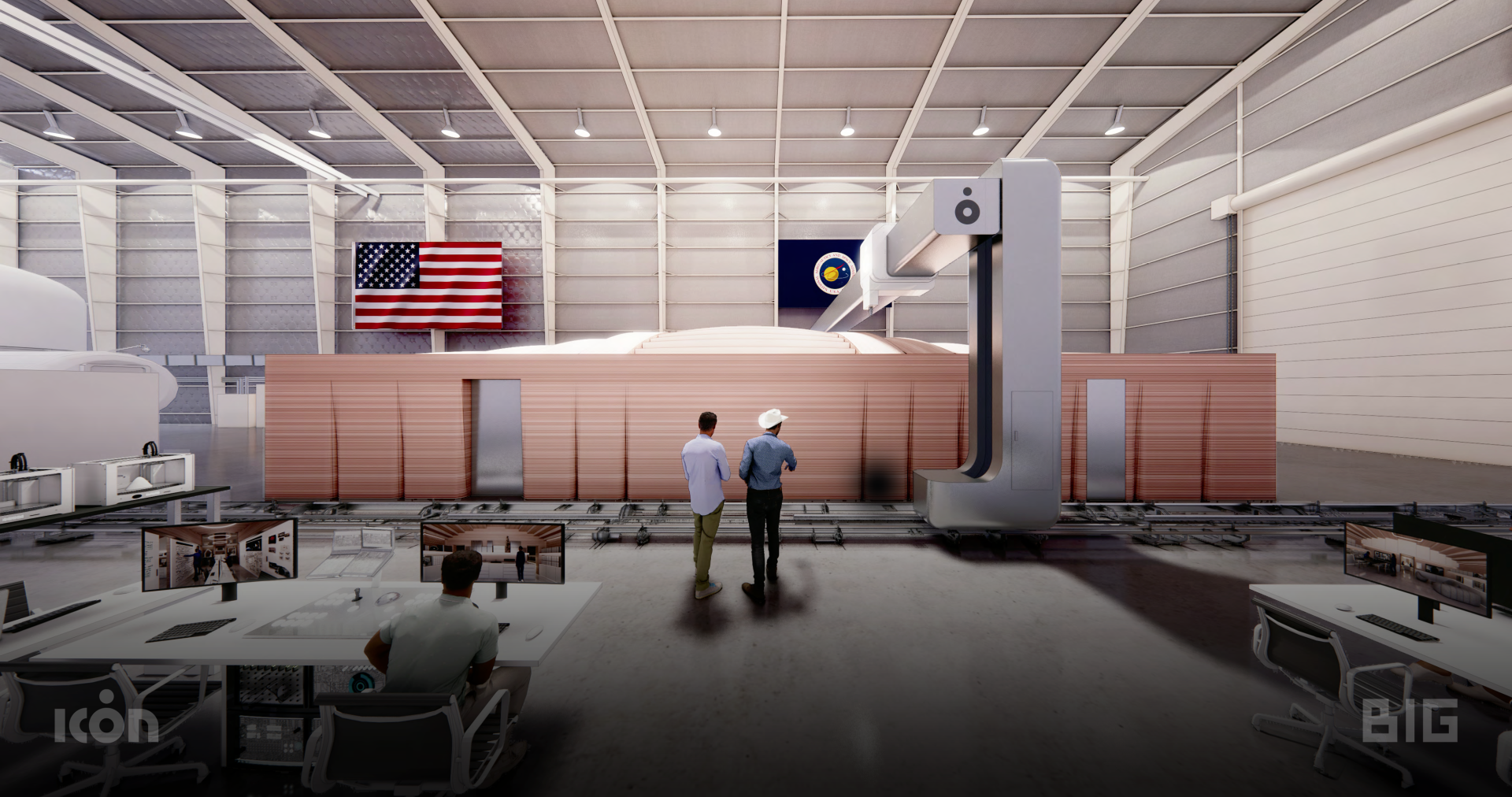
CHAPEA Mission Site
* Life on Mars is a favourite track, but not David Bowie's version. I've always preferred this LSO orchestration since first heard the 70s vinyl release: